How Many Days After Your Period Do You Ovulate?
Okay girly, pretend like we are at our favorite local coffee shop. I am having an iced oat milk latte, you are having your favorite drink, and you ask me:
How many days after your period do you ovulate?
I am about to tell you everything you need to know.
This question matters whether you are trying to conceive, trying to prevent pregnancy, or not trying for either right now. It is one of the most common fertility and cycle tracking questions I hear.
When we are growing up in grade school and middle school, we are really only taught about our period. Bleeding becomes the main marker of cycle tracking. We are not actually taught about ovulation, so most people never really learn the ins and outs of how ovulation works.
And when ovulation is taught, it is usually simplified to one answer: day 14.
The reality is that only about 20 percent of women actually ovulate on day 14 of their cycle.
Instead of learning the signs and symptoms of ovulation, we are often told to assume day 14 or encouraged to download an app that uses an algorithm. Most of those algorithms still predict ovulation around day 14.
Ovulation is incredibly important for hormone health. Without ovulation, progesterone levels stay quite low, because progesterone production relies on ovulation.

The Short Answer (And Why It’s Misleading)
The common day 14 ovulation idea is a myth. Only about 20 percent of women ovulate on day 14, meaning the other 80 percent ovulate either before or after that.
A normal menstrual cycle can range anywhere from 21 days to 35 days. That is a wide range, and because of that alone, ovulation cannot fall on the same day for everyone.
In reality, your period comes after ovulation more so than ovulation comes after your period. It is actually easier to predict when your period will start after you ovulate than it is to predict ovulation based on when your period starts.
You can have a 24 day cycle or a 35 day cycle and both are considered normal. Because those cycle lengths are so different, ovulation will naturally fall in a different place.
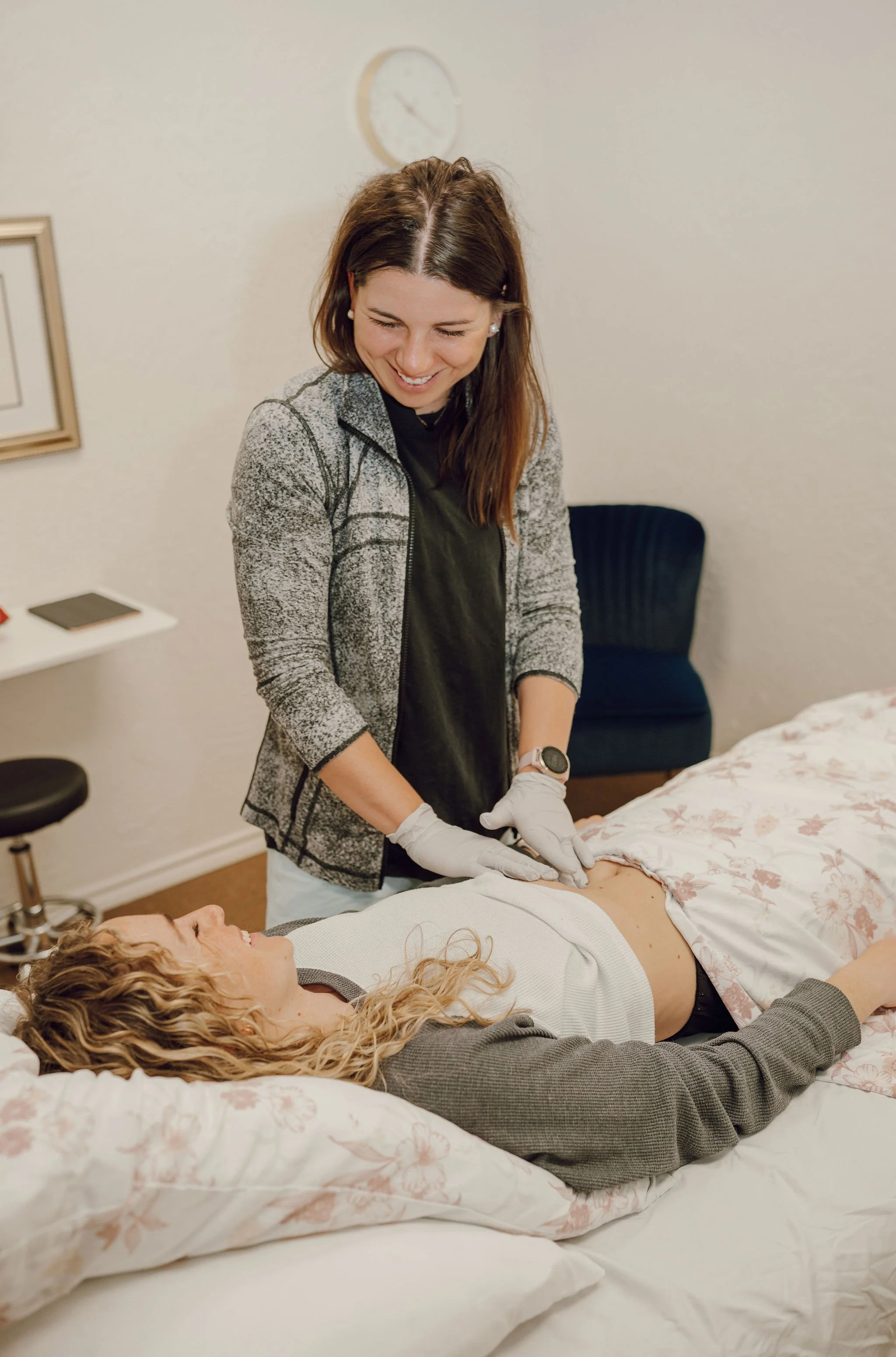
How the Menstrual Cycle Actually Works
Day one of your cycle is the first day of your period. This is menstruation.
Normal menstruation lasts anywhere from two to seven days and should not involve heavy clotting, extra heavy bleeding, or significant cramping that keeps you from daily activities. If you experience any of those, it needs to be checked out by a medical provider.
This is why tracking your cycle matters. When you track your cycle and something feels off, you have data you can take to a healthcare provider, which makes it easier for them to identify patterns and treat what is actually going on.
The first half of your cycle is the follicular phase, when your body is working to produce a follicle to ovulate.
Next comes ovulation. Ovulation is not really a phase as much as it is an event, and it happens somewhere around the middle of your cycle.
After ovulation, you enter the luteal phase.
The follicular phase is usually more flexible than the luteal phase. Things like sleep, alcohol consumption, and overall lifestyle can affect when ovulation happens.
After ovulation, the follicle becomes the corpus luteum, which produces progesterone. The corpus luteum can only live for up to 16 days. Because of that, if you truly ovulate and are not pregnant, your period should start within 16 days. There is more of a hard stop with the luteal phase than the follicular phase.
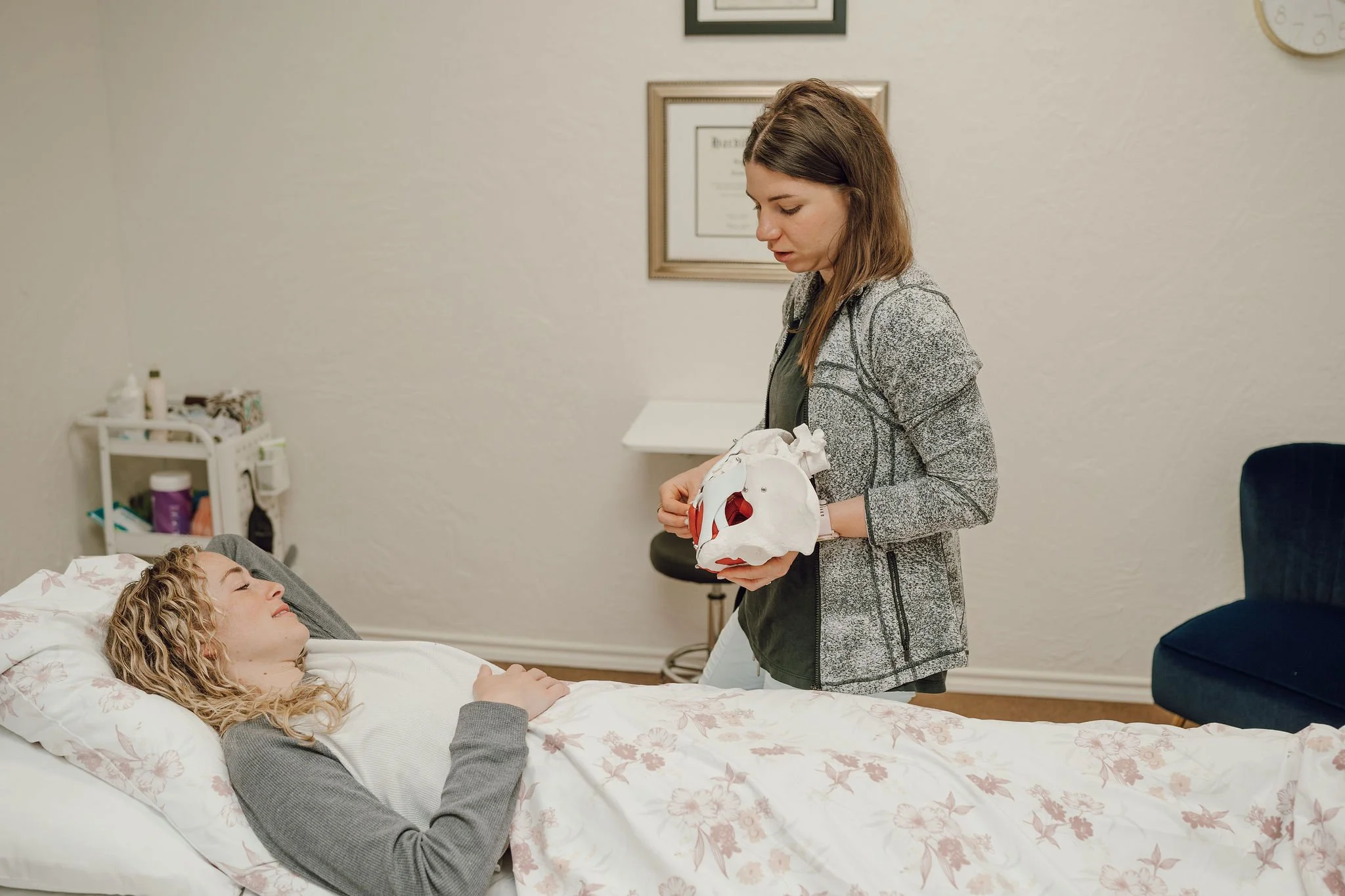
Ovulation Timing Based on Cycle Length
For a 26 or 28 day cycle, most of my patients ovulate somewhere between day 12 and day 16, sometimes as late as day 18.
When ovulation occurs later in these shorter cycles, there is usually a lifestyle component involved, such as over exercising, under eating, alcohol consumption, or sleep issues.
For patients with 30 to 35 day cycles, ovulation most often happens closer to day 21 or somewhere around there.
Longer cycles usually mean later ovulation. When ovulation happens later, the start of the next period is pushed later because of the lifespan of the corpus luteum.
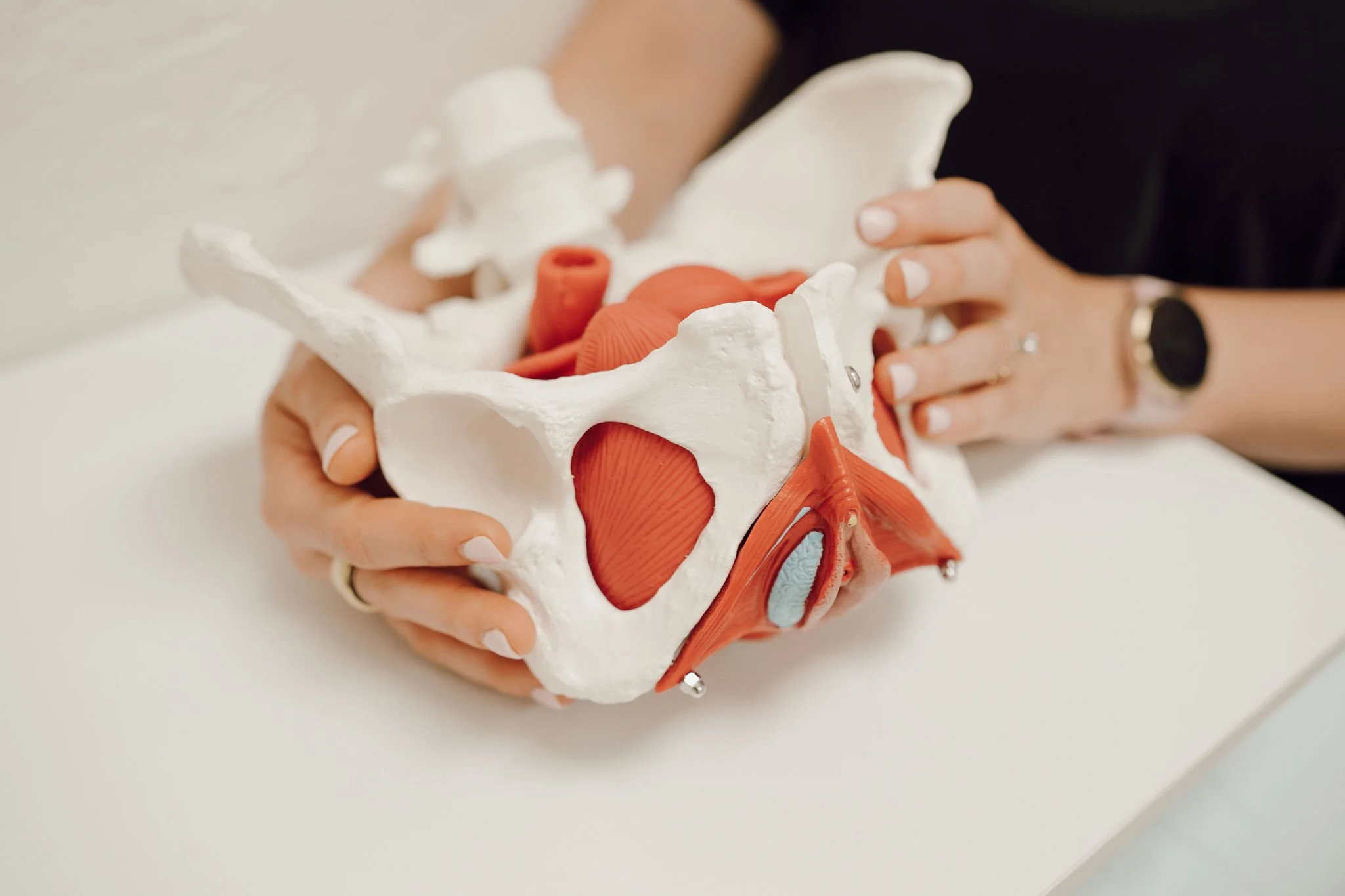
How Many Days After Your Period Ends Do You Ovulate?
And How to Know When Ovulation Is Actually Happening
I cannot emphasize this enough. Ovulation depends on when your next cycle starts, not when your period ends. The end of bleeding does not determine when ovulation will happen.
Because of that, asking how many days after your period ends you ovulate is usually the wrong question. Ovulation timing is better understood by paying attention to what your body is doing throughout the cycle.
Signs Your Body Is Getting Ready to Ovulate
Cervical mucus often changes to a more egg white consistency. Some women experience ovulation pain on one side of the pelvis, which can feel like one sided cramping.
LH strips can be used to predict ovulation unless you have PCOS, in which case they are often not accurate. LH strips predict ovulation, they do not confirm it.
How to Confirm Ovulation
Basal body temperature can be used to loosely confirm ovulation, although the only true way to confirm ovulation is via ultrasound.
With basal body temperature tracking, temperatures stay below your threshold line before ovulation. After ovulation, you should see a temperature spike of about 0.3 to 0.5 degrees Fahrenheit, and temperatures should remain elevated.
Using an app alone is not enough. Most apps are algorithm based and still predict ovulation around day 14, even though only about 20 percent of women ovulate on that day.
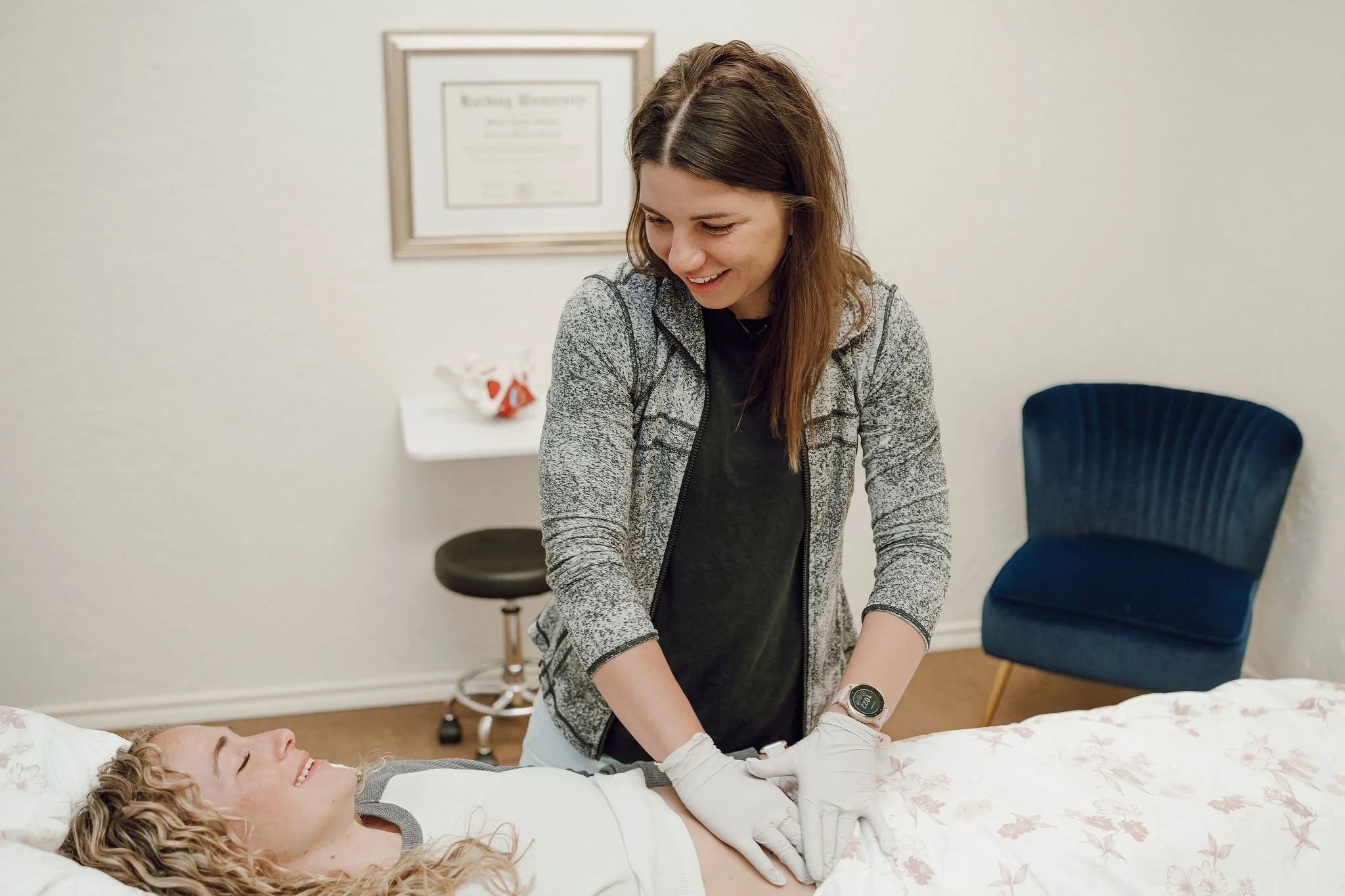
What Can Delay Ovulation
Ovulation can be delayed by lifestyle factors like poor sleep, alcohol consumption, and overall lifestyle stress. Over exercising and under eating are also common contributors.
Hormonal conditions such as PCOS can impact ovulation timing and predictability. Post birth control cycle changes can affect ovulation as well while the body recalibrates hormone signaling.
What If You’re Not Ovulating When You Expect?
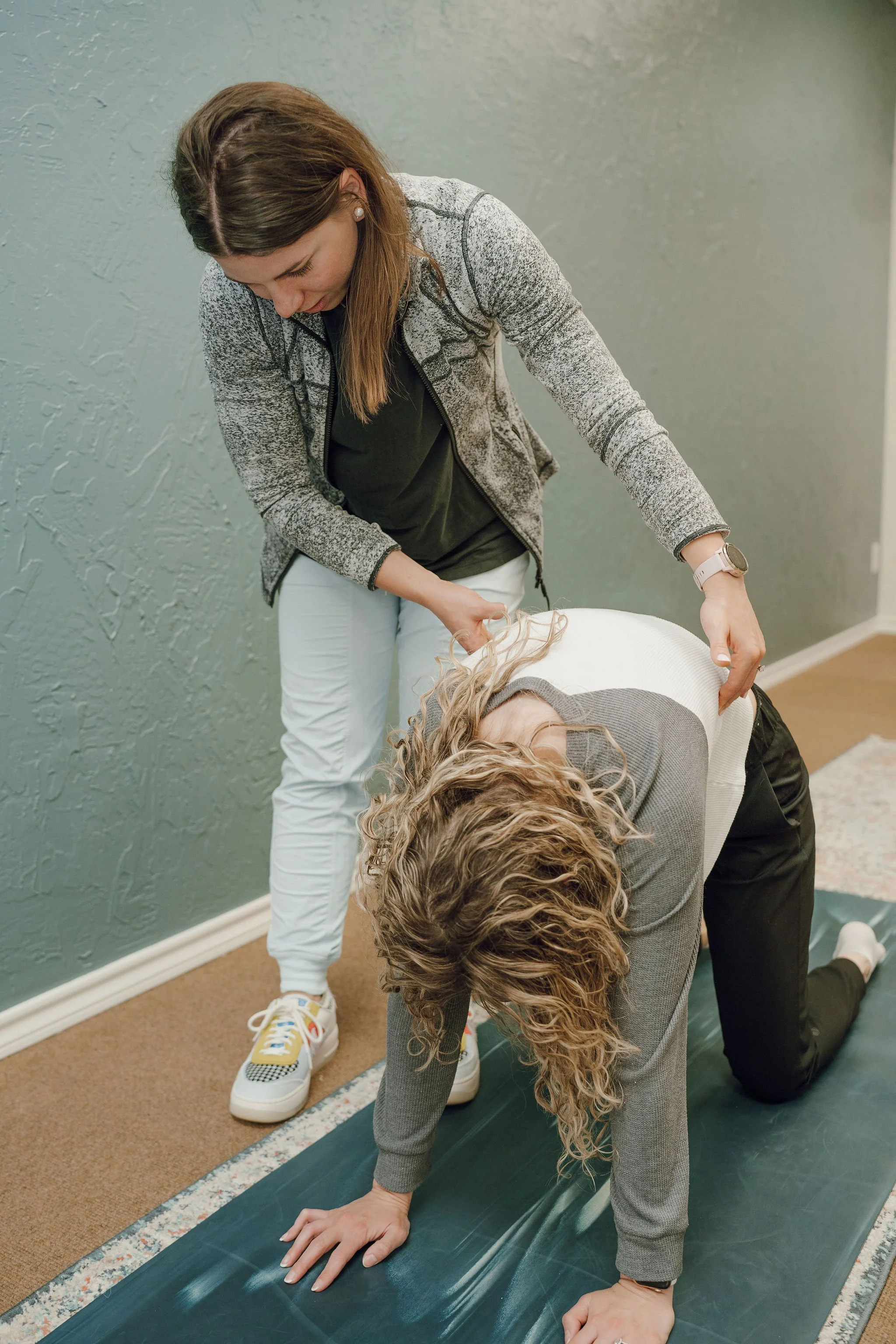
Tracking your cycle gives you data. When ovulation is not occurring or is happening irregularly, you have information you can take to a healthcare provider, which can help you receive a diagnosis and treatment sooner rather than later.
One common cause of irregular ovulation is PCOS. PCOS can be especially challenging if you are trying to conceive or trying to prevent pregnancy. Working with a healthcare provider to regulate cycles can be extremely helpful.
Why Ovulation Timing Matters for Fertility
Your fertile window includes the five days leading up to ovulation and the day of ovulation.
Sperm can live in the female reproductive tract for up to five days, and an egg can be fertilized for 12 to 24 hours after ovulation. Because of this, timing intercourse within this window matters if you are trying to conceive, and avoiding it matters if you are trying to prevent pregnancy.
Knowing your ovulation day is like knowing your target. When you know the target, you can aim more accurately. When you do not know the target, it is hard to know what you are aiming for.
Key Takeaways
Ovulation is not based on your period start date. Your next menstrual period is tied to when you ovulate.
Your body gives signals before ovulation. Learning how to listen to and interpret those signals is important for every woman.
When it comes to the menstrual cycle, N = 1. Cycles look different for each person.
Knowing your body allows you to clearly communicate what is happening to a healthcare provider if and when you need support.
Final Thoughts…
Your body is not random or broken. It is constantly communicating with you.
Learning how to understand your menstrual cycle allows you to advocate for yourself, ask better questions, and receive more personalized care. Whether your goal is fertility, cycle regularity, or overall hormone health, education and awareness are powerful tools.
As always, if you have questions about your cycle, ovulation, or fertility, feel free to reach out. I see patients both in person and virtually, and I am always happy to help you better understand what your body is telling you. You can reach out to schedule an appointment (or fill out a form here) and get a plan that is specific to your body and your goals.
Next on your reading list:
How to count your menstrual cycle days