
Pessary Fittings

Let me tell you about one of the most underrated tools in women’s health: a pessary.
Sometimes pessaries look intimidating at first glance, but they are incredibly useful and beneficial for reducing symptoms associated with pelvic organ prolapse and stress urinary incontinence.
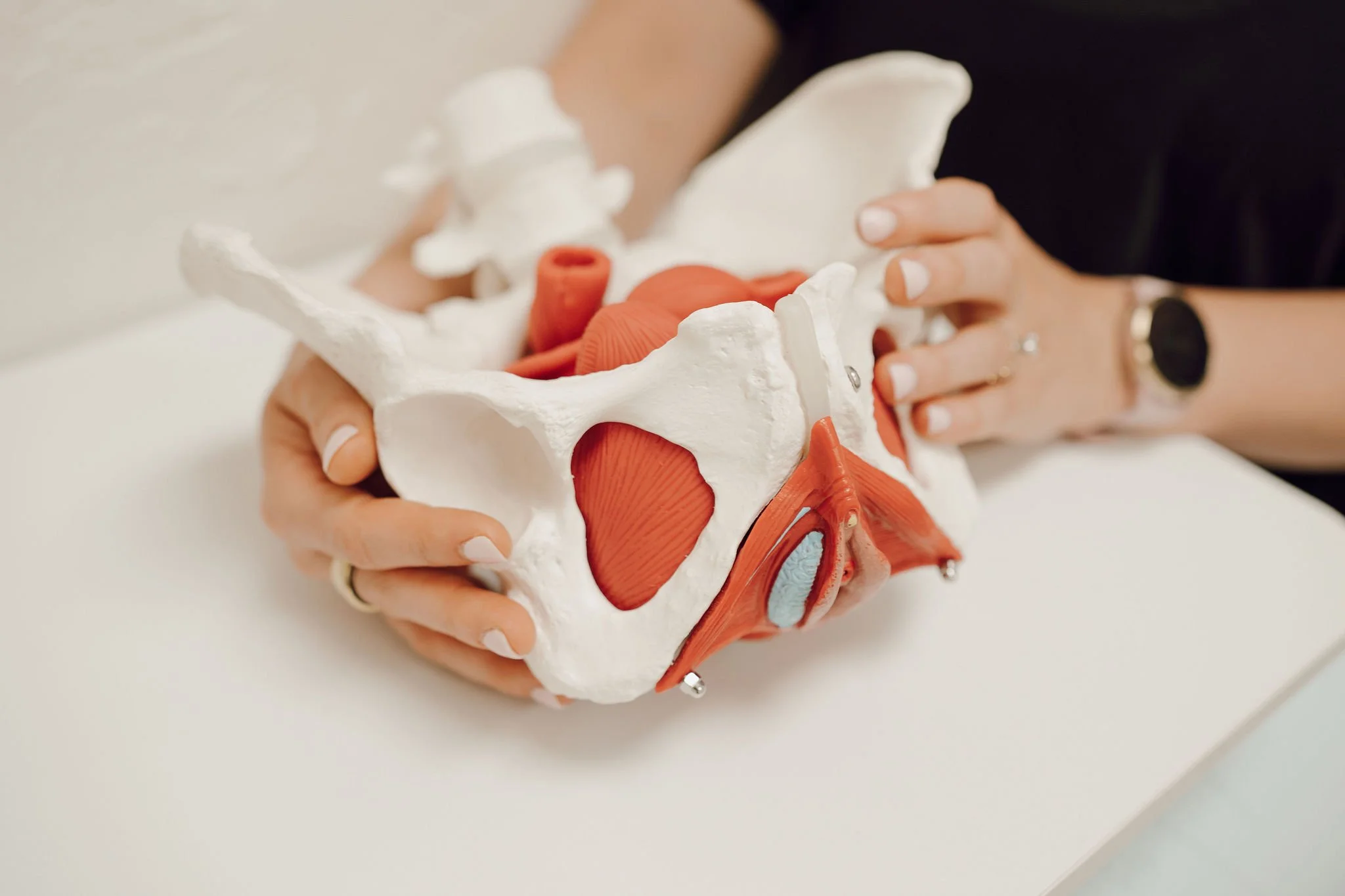
At Texas Pelvic Health, we often describe a pessary as a sports bra for your pelvic organs. A pessary simply provides extra support where your body needs it most. It is individually fit and sized to your body to help reduce symptoms like heaviness, pressure, bulging, and urinary leakage so that you can return to your workouts, daily activities, and life with more confidence and fewer symptoms.
Pessaries can be used in many different ways depending on your symptoms and goals. Some patients only use their pessary during exercise or higher impact activities. Others use it around their menstrual cycle when prolapse symptoms feel worse. Some patients wear their pessary all day, while others use it only when they feel symptomatic. Treatment is always individualized to your body, lifestyle, and goals.
Patients who may benefit from a pessary include:
Women experiencing pelvic organ prolapse symptoms
Patients feeling heaviness or pressure in the pelvic floor
Patients who notice a bulge sensation
Women experiencing stress urinary incontinence or leakage with exercise
Patients needing extra support during workouts or activities of daily living
Postpartum women navigating prolapse symptoms during the healing phase
Women wanting to remain active and avoid limiting exercise because of pelvic floor symptoms
We currently fit ring pessaries, ring pessaries with support, ring pessaries with knob, and cube pessaries.
Pelvic organ prolapse and stress urinary incontinence symptoms can significantly impact your ability to exercise, lift, work, care for children, and confidently participate in daily life.
At Texas Pelvic Health, we use pessaries as one tool to help support your pelvic floor and reduce symptoms so you can continue doing the things you love.

What to Expect During a Pessary Fitting
If you elect to receive a pessary from Texas Pelvic Health, we begin by discussing your history, symptoms, goals, lifestyle, and activities. We then perform a pelvic floor assessment and internal fitting to determine which pessary shape and size would best support your body and symptoms.
Once we determine the best fit, your pessary is ordered and we begin working on pelvic floor coordination, breathing strategies, pressure management, core strengthening, and pelvic floor strengthening as appropriate.
When your pessary arrives, we ensure:
You can comfortably urinate with the pessary inserted
You can move and exercise comfortably without symptoms
The pessary feels supportive and comfortable
You are confident inserting and removing it independently
The pessary appropriately reduces your symptoms
You should not constantly feel the pessary while it is inserted. A properly fit pessary should feel comfortable while making a noticeable difference in your symptoms.
We then schedule a follow-up appointment approximately two weeks later to ensure you are continuing to do well with the pessary and that no irritation is occurring to the vaginal tissues.
“Dr. Hailey is wonderful!!! At each and every appointment I absolutely felt like she was listening to me, my concerns, and my symptoms. She tailored my treatment to the issues I was having. I could always reach out to her via the PtEverywhere app if I had any questions about my home exercise program. She even went so far as to send me videos of exercises to help clarify how I should be doing them. Her clinic has also been perfectly set up to make you feel calm and relaxed for your sessions. If I ever need any PT in the future, she will definitely be first on my list of where to go. She's a wonderful PT. I would recommend her to any of my own patients or even my own family if they're ever in need of her services.”
Pessary Symptoms and Diagnoses We Treat at Texas Pelvic Health
Pelvic organ prolapse and stress urinary incontinence symptoms can significantly impact your ability to exercise, lift, work, care for children, and confidently participate in daily life. At Texas Pelvic Health, we use pessaries as one tool to help support your pelvic floor and reduce symptoms so you can continue doing the things you love.
Either way, you're in the right place. We treat the full range of pelvic floor conditions, from the symptoms you'd describe to a friend to the clinical terms on your chart.
-
Pelvic organ prolapse
Cystocele
Rectocele
Uterine prolapse
Vaginal vault prolapse
Stress urinary incontinence
Urethral hypermobility
Pelvic pressure
Pelvic heaviness
Levator ani dysfunction
Pelvic floor weakness
Frequently Asked Questions About Pessaries
-
A properly fit pessary should not be painful. In most cases, you should not constantly feel it while it is inserted. Many patients notice significant symptom relief once the pessary is in place.
-
You may initially be aware of it while adjusting to insertion and removal, but you should not constantly feel discomfort or irritation with a properly fit pessary.
-
Yes. In fact, many patients use pessaries specifically to help them return to exercise, lifting, walking, running, or higher impact activities with less heaviness, pressure, or urinary leakage.
-
Absolutely. We believe pessaries are often underutilized during the postpartum healing phase and can be an excellent tool for supporting healing tissues and reducing prolapse symptoms postpartum.
-
Not necessarily. Some patients wear their pessary daily, while others only use it during exercise, long days on their feet, around their menstrual cycle, or during activities that increase symptoms.
-
Yes. One of our goals is making sure you feel confident independently inserting and removing your pessary if appropriate for your specific pessary type and comfort level.
-
Pessaries are individually fit and sized to your body during your fitting appointment. We trial different shapes and sizes to determine what provides the best symptom relief and comfort.
-
Yes. Certain pessaries can help reduce symptoms of stress urinary incontinence, which is leakage that occurs with coughing, sneezing, jumping, running, or exercise.
-
In many cases, yes. Pessaries are an excellent tool, but we also want to address pelvic floor coordination, strength, breathing mechanics, pressure management, and movement strategies to help optimize long term outcomes.
-
Not at all. We commonly fit pessaries for postpartum women, active women, athletes, and women of all ages wanting support for prolapse symptoms or urinary leakage.