PCOS Treatment for Unmarried Girl: A Complete Guide to Managing Symptoms Early
Okay girlie, grab your latte and pretend we are sitting together at our local coffee shop talking about PCOS treatment for unmarried girl and what that actually looks like. First things first, we are going to cover PCOS itself. What it is. What it is not. And why so many unmarried girls get misdiagnosed or completely dismissed when their symptoms start showing up.
Your marital status should never determine your medical treatment. Ever. PCOS is a real diagnosis and it deserves real attention. And with this diagnosis, just like any diagnosis, the sooner you are able to think about it, get evaluated, get treatment, and actually work toward getting it into remission, the better off you will be long term.
This conversation is meant to help you understand your body, your hormones, and what options you actually have so you can feel more confident and supported in your own health.

What Is PCOS
PCOS is a hormonal disorder in women of childbearing age, period. PCOS causes irregular cycles and difficulty with ovulation more often than not. Many small cysts might appear on the ovaries, and women with PCOS often have excess androgens. Other symptoms usually include unwanted hair growth, difficulty losing weight, and acne. There is usually a link between insulin resistance and PCOS.
PCOS often shows up in teenagers but goes untreated because they are not in their childbearing years yet or trying to get pregnant. Most of the time they are just put on birth control, which does not resolve the issue at hand. It is unfortunate because there is very little education given to these girls, and then when they finally want to have a child and stop birth control, they are left to resolve their PCOS issues on their own. In reality, we could address and treat these issues way earlier so it is not a major problem later when they come off birth control and start trying to have kids and cannot figure out what is going on with their bodies.
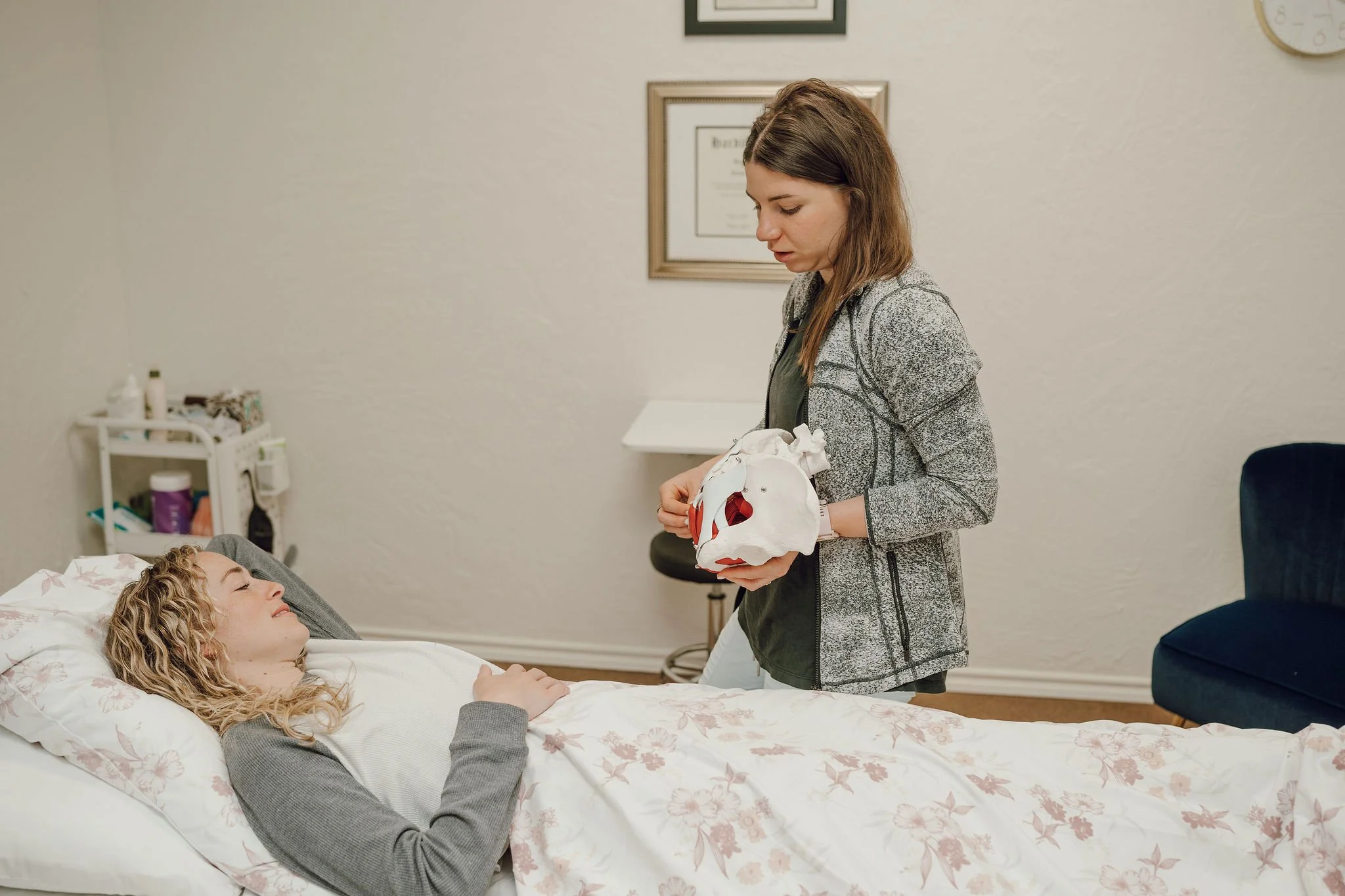
Fact vs. Fiction Regarding PCOS in Unmarried Girls
Fiction: PCOS only matters once you are trying to get pregnant.
That is completely untrue.
Fact: Treating PCOS is important for any woman regardless of marital status, and I would argue even more important for younger girls. If we could diagnose and treat this when they are in their teenage years rather than waiting until they are trying to have kids, it would make a huge difference. Instead, so many women come off birth control in the thick of trying to conceive and then have to fix their ovulatory related PCOS at the exact same time they are trying to get pregnant. Treating it younger is so much better than waiting until later.
Fiction: You must take oral birth control as the only treatment option.
Fact: Oral birth control works by suppressing ovulation. PCOS is an ovulatory related issue. Oral birth control also typically creates a bleed every 28 days, but it is a withdrawal bleed, not an actual period. So women with PCOS are put on oral birth control to fix their period, when in reality it is not allowing them to ovulate and they are not actually having a period. Then they come off the pill and everything is just bonkers.
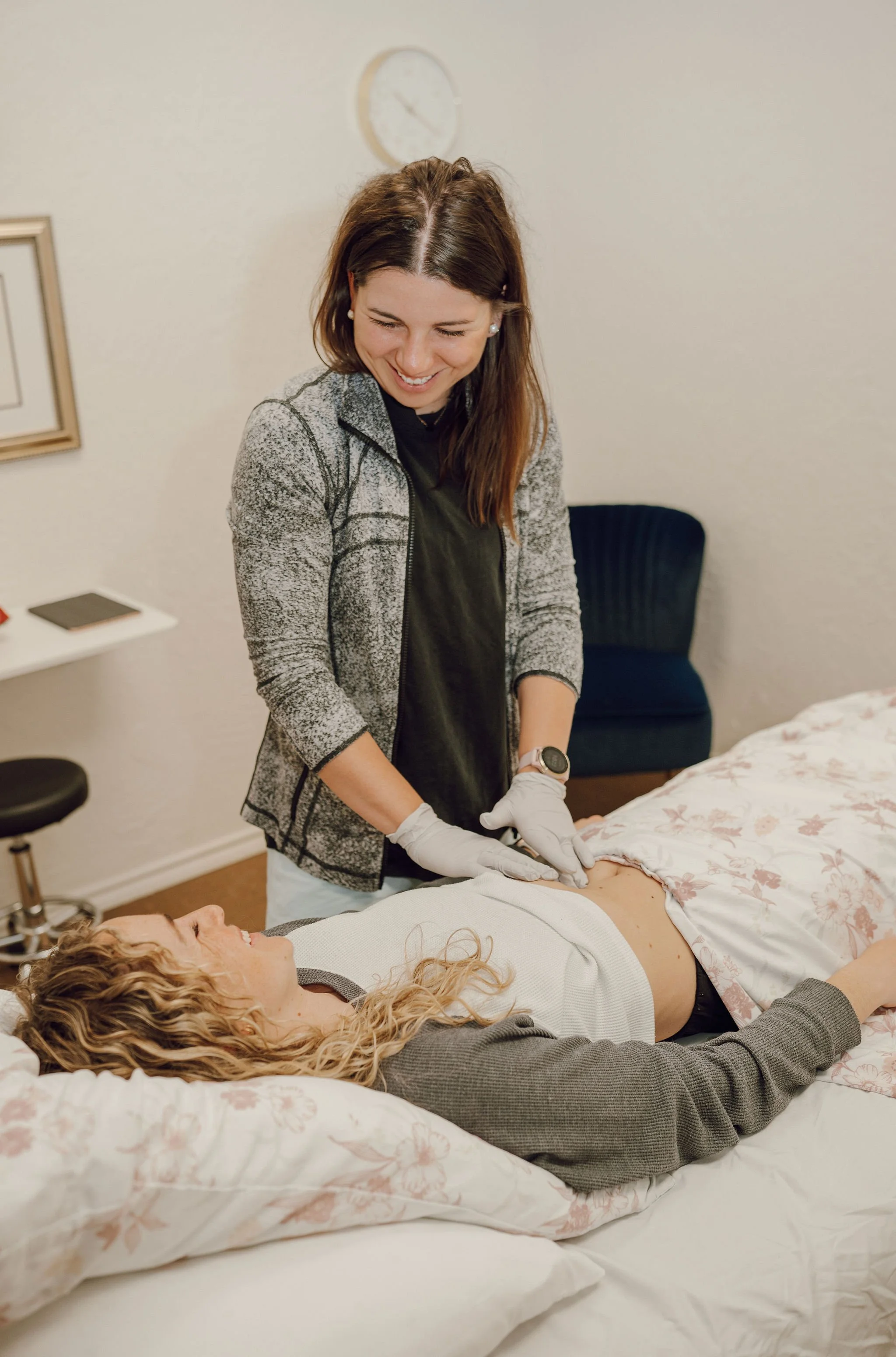
How PCOS Is Diagnosed in Teenagers and Unmarried Girls
PCOS is diagnosed by the Rotterdam Criteria in anyone, regardless of age. A PCOS diagnosis requires at least two of the following three conditions:
1. Hyperandrogenism
Signs of excess androgens, which would include acne, unwanted hair growth, or elevated testosterone.
2. Ovulatory dysfunction
Absent, delayed, or irregular ovulation.
3. Polycystic ovaries
Seen on an ultrasound. The cutoff for that is twelve or more small follicles and or a large ovarian volume.
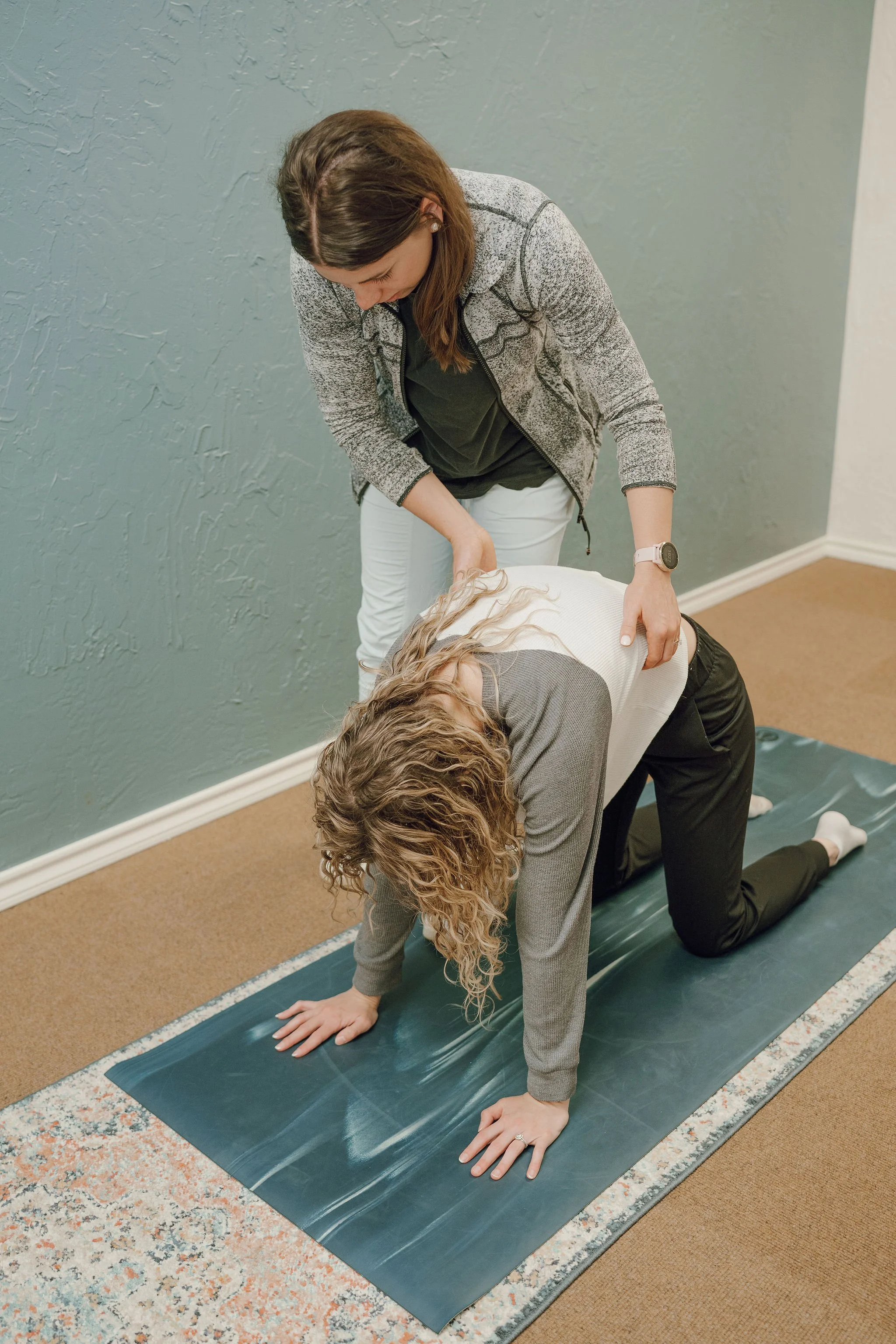
PCOS Treatment Options for Unmarried Girls
Lifestyle and Foundational Habits
Lifestyle habits play a huge role in PCOS, and I would go so far as to say that lifestyle is the treatment for PCOS. Two of the most important areas to focus on are managing your blood sugar levels and strength training.
Managing blood sugar means keeping your blood sugar relatively stable throughout the day. One of the easiest ways to do that is by eating your foods in a certain order. Fiber first, then protein and fat, then carbohydrates. This helps decrease the blood sugar spike whenever you eat foods that are higher in carbohydrates or sugars.
Strength training is also essential for women with PCOS. Increasing your skeletal muscle mass is one of the best things you can do for blood sugar management, because muscle tissue helps your body use glucose more effectively. This is one of the most important parts of PCOS treatment for unmarried girl when lifestyle change is the main focus.
Medications Commonly Used
Medications commonly used for PCOS include metformin, which is used for managing blood sugar, and spironolactone, which is used for the excess androgens. GLP 1s are also starting to be used for PCOS more commonly.
Supplements That Support PCOS
This is definitely going to be different on a case by case basis depending on lab work and how those labs come back. But generally, Ovositol is a supplement that is recommended to anyone with PCOS. Berberine can also be good for women with PCOS, especially for blood sugar regulation. CoQ10 is also good for PCOS for egg quality purposes. Ovositol is good for ovarian function.
Pelvic Floor Physical Therapy
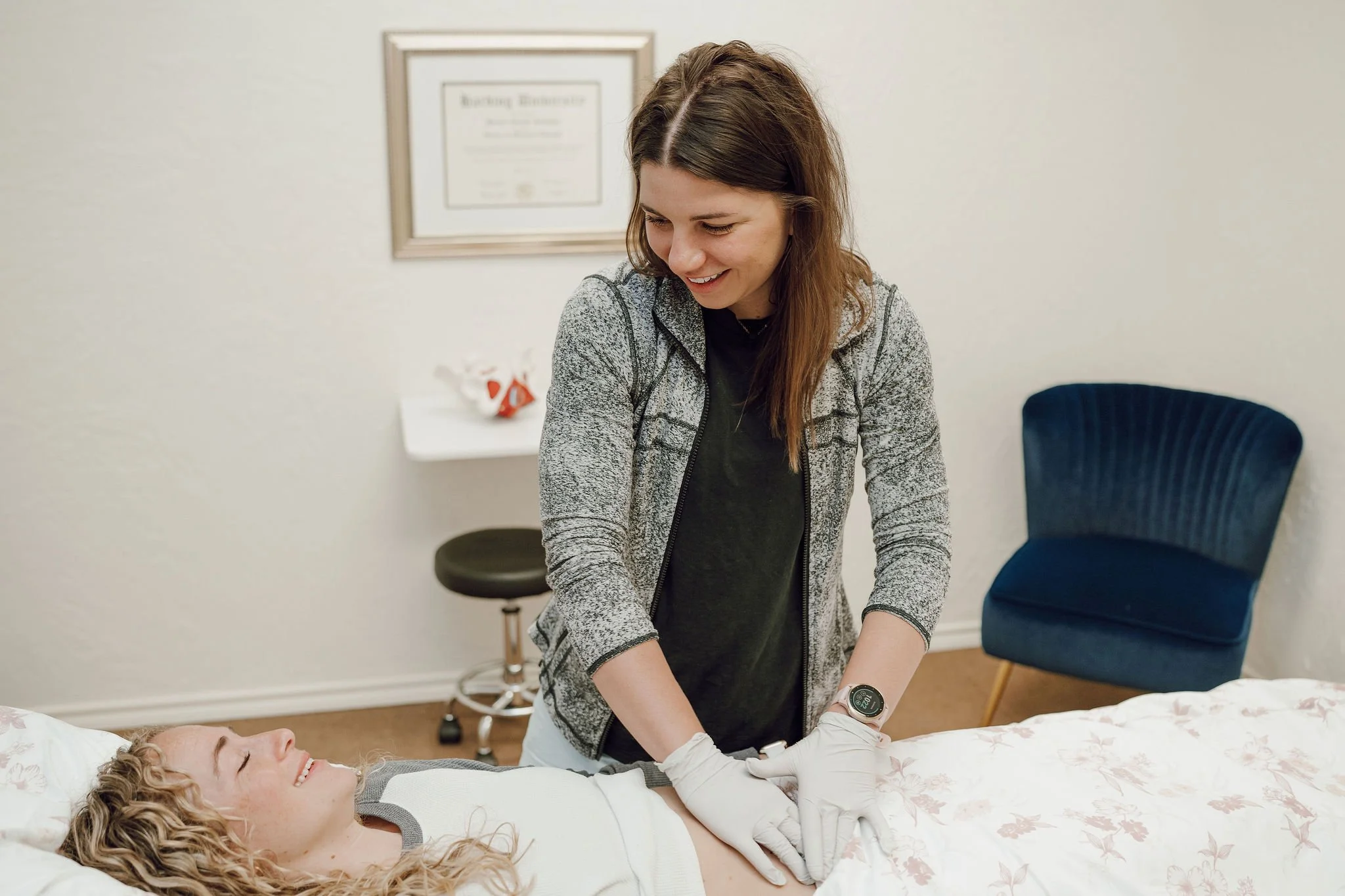
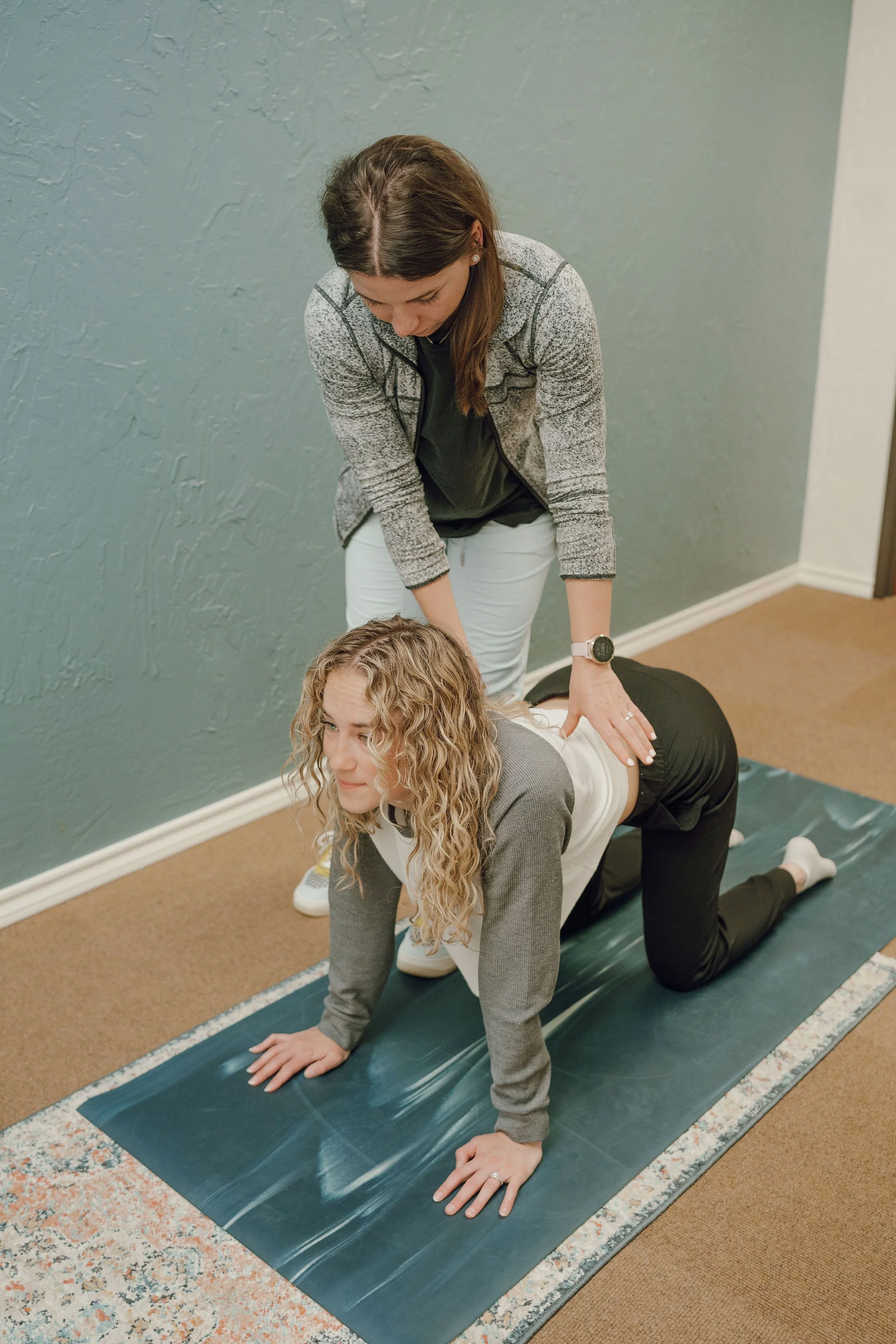
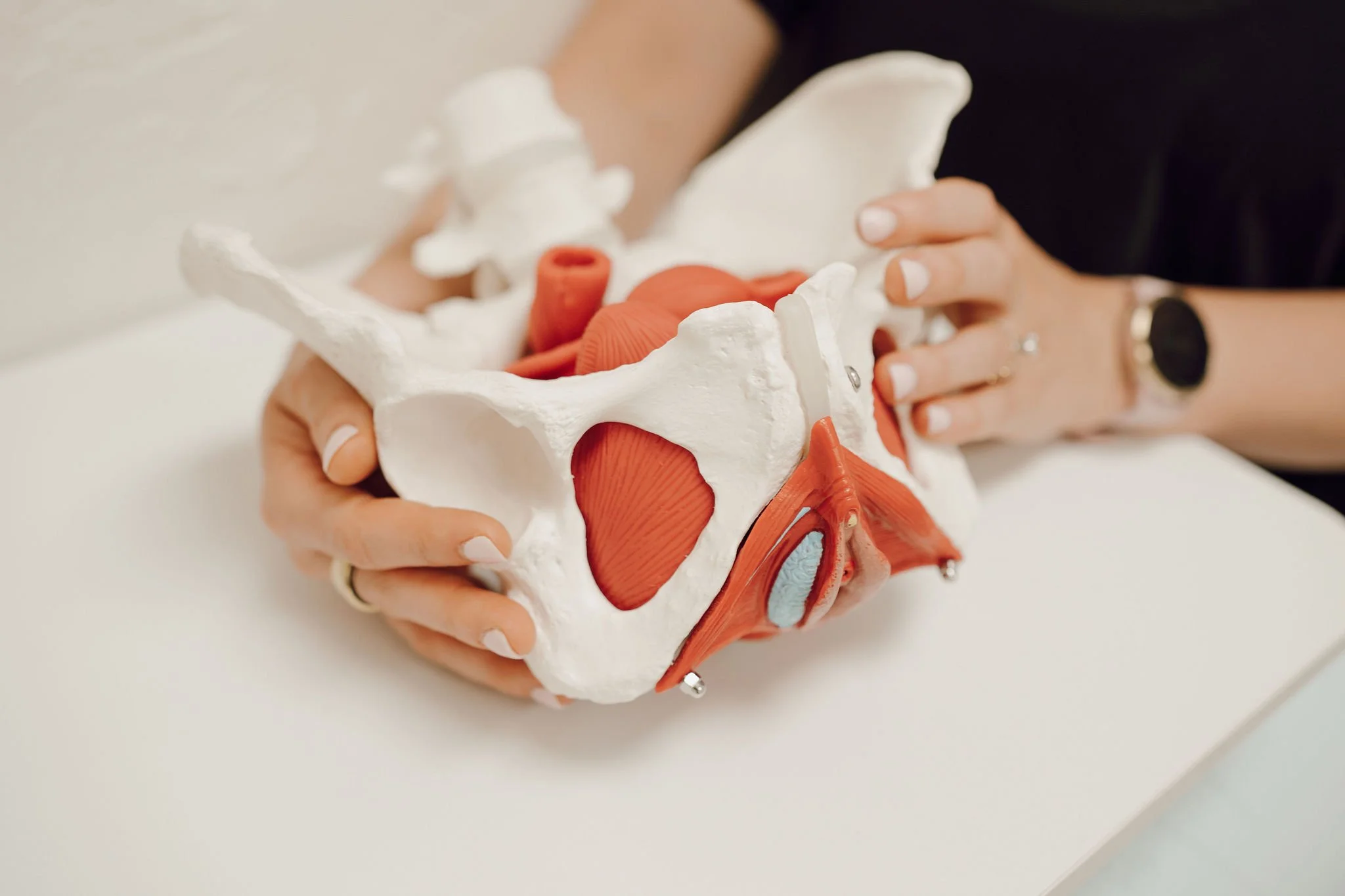
One way that pelvic floor physical therapy can support women with PCOS is by helping with ovulation and regulating cycles through visceral mobilization. I can actually palpate right over the uterus and ovaries and do visceral mobilizations to support the function of these organs.
Additionally, the ovaries sit right inside the hip flexors, so I can use things like dry needling, specific exercises, and mobility work to help increase blood flow to that area. Better blood flow can improve the function of the ovaries and support more regular ovulation.
How Unmarried Girls Can Track Their Cycles to Understand PCOS Better
Periods get all the hype when it comes to talking about the menstrual cycle, but I truly believe that ovulation is queen. So let me teach you how to track your entire cycle, including both your period and ovulation.
When I say your cycle starts, I mean the first day of your period. Your cycle begins, and the first two to five days is the average length of the menstrual phase. On average, women ovulate on day fourteen, but only about twenty percent of women actually ovulate on day fourteen.
About ten to sixteen days after you ovulate, your period will start again. Before ovulation is the follicular phase, because your body is trying to produce a dominant follicle to ovulate. After ovulation is the luteal phase, because that dominant follicle turns into the corpus luteum and produces progesterone.
You can track your cycle at home by taking your temperature in the morning. This is called your basal body temperature. You take it first thing in the morning, orally, right before you get out of bed or do anything. After you ovulate, you will see a temp increase by point three to point five degrees Fahrenheit.
You will also notice more cervical mucus, or egg white consistency cervical mucus, around the time you are ovulating.
You can read more about how to confirm ovulation here, and more about the four phases of your menstrual cycle here.
When to See a Healthcare Provider
You should be seeing a healthcare provider whenever you start your period. I think this is part of the reason that conditions like these go untreated and undiagnosed for so long, because women are not seeing healthcare providers early.
The beauty of tracking your cycles like we talked about above is that you can take that information to your healthcare provider and tell them exactly what is going on with your cycle. When you start, how long you bleed, when you ovulate, if you ovulate, and how long your entire cycle is. It is also important to know if you have any pain with menstruation or pain with ovulation.
And if this information is not used or it is downplayed because of your age or trying to conceive status, then take that information to another provider.
Long Term Outlook: Treating PCOS Early Supports Fertility Later
I hope this has been a helpful read and you have some starting points. Women are healthier when we treat these conditions earlier in life. We know that insulin resistance is a huge factor in PCOS. Insulin resistance is also linked to diabetes. If we can start addressing these things in the teenage years and early twenties rather than waiting until the late twenties and early thirties when women are trying to conceive, women are going to be a lot healthier not just when they are trying to conceive but throughout their entire lifespan, mentally and physically.
If we can treat these conditions and teach women about their bodies and have PCOS well managed before women start trying to conceive, that journey should be a lot easier and shorter for them rather than leaving this condition undiagnosed and not managed well and then just telling women to try for a year before seeking help. It is not fun for anyone, so let us work together to treat it earlier. This is one of the biggest reasons PCOS treatment for unmarried girl matters so much.
What’s next?
We have other resources for you to check out like how to know if you are ovulating and the four phases of your menstrual cycle.
I do see patients in person in Sulphur Springs, Texas and Rockwall, Texas, and I can also see patients virtually. If PCOS is something you or your daughter are struggling with, I would love to help you beyond this article. Please feel free to reach out with questions, and wishing you all the best.
As always, if you have questions, please feel free to reach out. I do see patients virtually and in person in Sulphur Springs, Texas and Rockwall, Texas, and I am accepting new patients. If you are on your trying to conceive journey, consider our Fertility Foundations email series. It is a thirty day series of emails covering everything we think you should know about fertility before you start trying to conceive. The goal is for you to feel knowledgeable about your own body before you start the process and hopefully decrease the time to conception. I truly believe education on the front end leads to less heartache in this phase of life.
If you’re experiencing an abnormal cycle and want help, I am currently accepting new clients for one-on-one care. I see patients both virtually and in person in Sulphur Springs, Texas and Rockwall, Texas. You can fill out a form [here] and someone from our team will reach out to schedule your appointment.
If you’re preparing to start trying to conceive and want to better understand your ovulation and overall fertility, I highly recommend our 30-day email series, Fertility Foundations, created by me and my husband, who is a pharmacist. This series walks you through everything we believe you should know before trying to conceive—everything you weren’t taught in your high school health class.
You can read more about Fertility Foundations [here].
Next on your reading list:
Tips for getting pregnant 30-35
How to know if you’re ovulating
4 phases of the menstrual cycle and hormones
What is considered excessive exercise when trying to conceive