What to Wear to Pelvic Floor Therapy
So, if you’re here you’ve scheduled your first pelvic floor physical therapy appointment. First of all, congrats. That’s a huge step.
For many people, booking that first appointment feels equal parts relief and nerves. And honestly, that makes sense. A lot of people have no idea what pelvic floor therapy actually looks like, which can make the unknown feel intimidating.
I always tell patients that your nervous system feels safer when you know what to expect. My goal with this blog is to walk you through exactly what happens at your first appointment and help you feel prepared, including what to wear.
I can only speak to what happens at my practice, Texas Pelvic Health. We’re a pelvic floor physical therapy practice based in East Texas with locations in Sulphur Springs, Canton, and Rockwall.
There will likely be some similarities between what we do and what happens at other pelvic floor therapy clinics, but every practice runs a little differently. If you’re going somewhere else, you may want to ask them about their specific process ahead of time.
What Happens at Your First Appointment
Once you schedule your appointment, you’ll receive intake forms through email. You can fill those out online ahead of time, so there’s no need to show up early and sit in a waiting room filling out paperwork.
At Texas Pelvic Health, all appointments are one hour long and completely one on one with your physical therapist.
Your first appointment starts with a conversation about your history, symptoms, main concerns, and your goals for therapy. We’ll also ask follow up questions based on what you filled out in your intake forms so we can fully understand what’s going on. This portion of the appointment usually takes about 15 to 20 minutes.
After that, we move into an assessment. This can look different depending on why you’re coming to pelvic floor therapy.
Your evaluation may include:
an internal muscle assessment
an abdominal assessment
a musculoskeletal assessment
a movement assessment
or a combination of multiple assessments
This depends on your symptoms, your history, and your goals.
A lot of patients get nervous that every pelvic floor therapy appointment automatically includes an internal exam, and that’s simply not true. While an internal assessment can sometimes provide helpful information, it is never forced. Your therapist should always explain why they are recommending it and make sure you feel comfortable moving forward.
After your evaluation, we’ll walk you through our findings and create a thorough home exercise plan that aligns with your goals and what we found during the assessment.
Before you leave, we’ll also make recommendations on how often we think you should come to therapy based on your goals, your schedule, and the findings from your evaluation.

Why Clothing Matters for Pelvic Floor Therapy
What you wear to pelvic floor therapy matters for two simple reasons.
First, we want you to feel comfortable.
You’re already walking into a new environment and talking about symptoms that can feel vulnerable for a lot of people. The last thing we want is for you to feel physically uncomfortable because your outfit is restrictive, too tight, or something you’re constantly adjusting.
Second, we want you to be able to move freely.
There’s often some type of movement assessment during your evaluation. That may include things like squatting, bending, walking, breathing mechanics, or other basic movements depending on why you’re coming in.
We want a true assessment of how your body moves, not an assessment of how your jeans are limiting your squat depth.
What to Wear to Your Appointment
Everyone has their own personal style and different types of clothing they naturally feel comfortable in, so take this as general guidance, not a strict dress code.
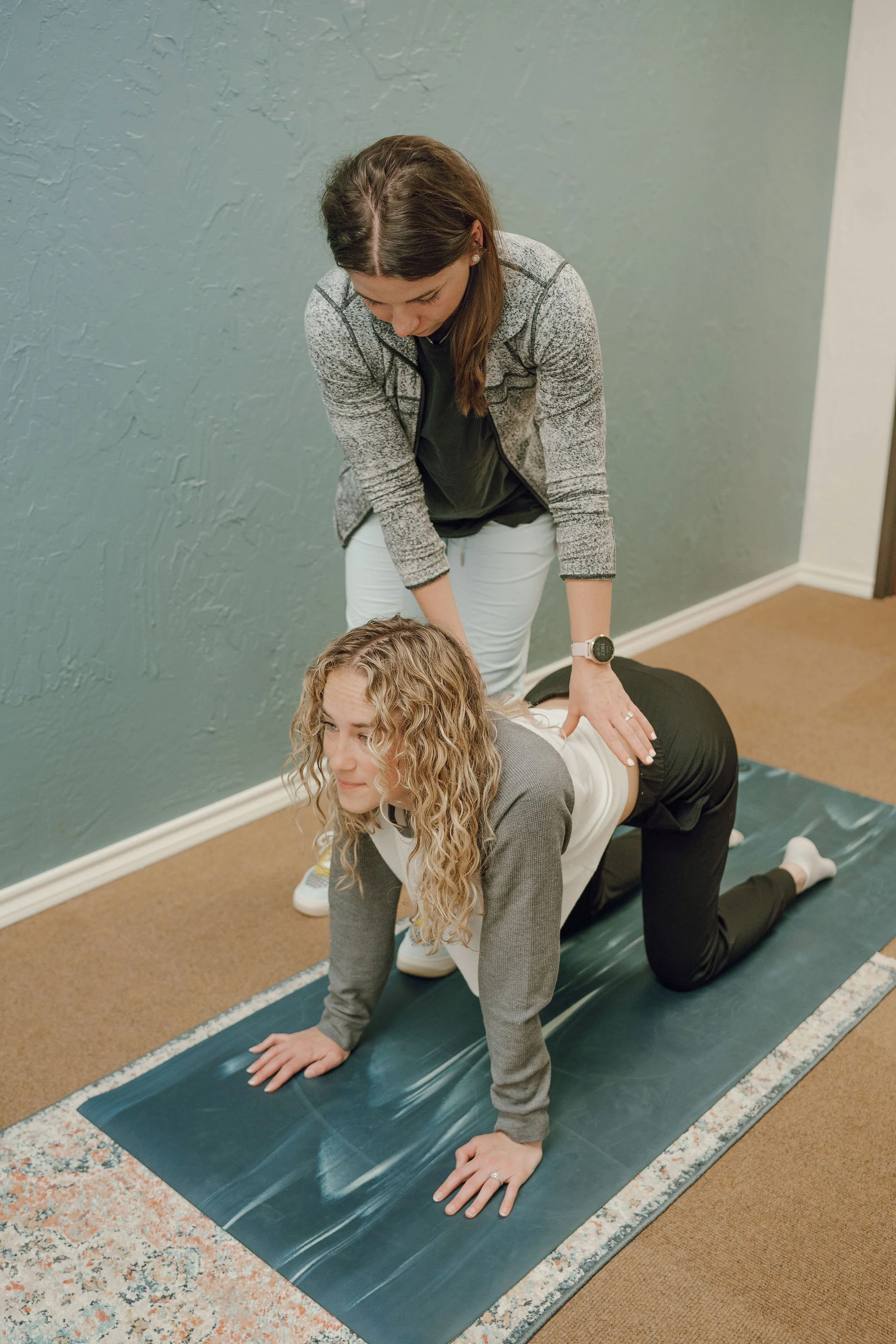
That said, we find that most patients feel most comfortable in workout style clothing because it tends to make movement assessments easier.
Think:
leggings
athletic shorts
joggers
t shirts
sweatshirts
other clothes you can comfortably move around in
That doesn’t mean you can’t show up in jeans or a dress. Wearing either of those isn’t going to completely derail your evaluation.
We’ve had plenty of patients come straight from work, errands, or life responsibilities and show up in whatever they already had on.
Some pregnant patients also prefer wearing a loose, comfortable dress, especially if that feels best for them.
At the end of the day, wear something that feels comfortable and allows you to move without feeling restricted.
What Not to Wear
I’m not going to tell you there’s a specific item of clothing you can’t wear to pelvic floor therapy.
This really is not that serious, and I don’t want you overthinking your outfit before your appointment.
That said, the clothing patients tend to feel least comfortable in is usually jumpsuits or rompers.
If we decide an internal pelvic floor muscle assessment would be helpful, we typically have patients undress from the waist down while keeping their top on. That setup tends to feel much easier in a shirt, sweatshirt, or tank top.
With a romper or jumpsuit, things get a little more complicated because you’d have to remove the entire outfit. While we absolutely provide sheets for coverage and privacy, some patients tend to feel less comfortable with that setup.
Really tight jeans can also make movement assessments more difficult.
Again, none of these are deal breakers. If you show up in a romper, we are not sending you home.
This is simply about helping you feel as comfortable and prepared as possible.
What to Expect During a Pelvic Floor Muscle Examination
If your therapist recommends an internal pelvic floor muscle exam, here’s what that actually looks like because this is often the part people feel the most nervous about.
This exam is similar to a gynecological exam in the sense that it involves the pelvic area, but it is very different in what we’re assessing.
We are not evaluating your cervix, uterus, or reproductive organs.
We are evaluating your pelvic floor muscles and the nerves that run through those muscles to understand how they fit into your story.
If you’re coming in for pain, leakage, prolapse, constipation, painful sex, pregnancy concerns, postpartum concerns, or fertility concerns, we’re looking at whether your pelvic floor muscles are contributing to those symptoms.
Consent is always required before this exam happens.
It’s also important to know that pelvic floor therapy does not feel like traditional orthopedic physical therapy. If you’ve been to PT for your knee, ankle, or shoulder before, this is very different.
At our clinic, you’re in a private treatment room with your therapist the entire time. You’re covered with a sheet throughout the exam, and we work hard to make sure your privacy feels protected.
If pain is your primary complaint, whether that’s abdominal pain, pelvic pain, back pain, or hip pain, you may experience some temporary symptom reproduction during the exam.
That’s actually helpful information.
I tell patients all the time that sometimes you have to poke the bear to know you’re treating the correct bear.
With gentle pressure on the pelvic floor muscles, I’m often able to reproduce the symptoms patients are experiencing, which helps us better understand what needs treatment.
And if you decide you do not want an internal exam, that is completely okay.
At this point in my career, I can usually make educated guesses based on your symptoms, movement patterns, and history and still create a treatment plan. I will say treatment can sometimes take a little longer because I’m working off hypotheses instead of directly assessing the muscles.
At the end of any internal assessment, I always step out of the room so patients can get fully dressed before we continue talking. In my opinion, patients remember what I’m teaching them much better when they’re fully clothed and comfortable, and education is a huge part of what we do.

Questions to Ask Your Physical Therapist
You are absolutely allowed to ask questions during your evaluation.
In fact, I encourage it.
This is your body, your treatment plan, and your time. You should feel fully informed about what’s happening and why.
Some great questions to ask your pelvic floor physical therapist include:
Do I need an internal exam for my specific symptoms?
What certifications or specialized training do you have in pelvic floor therapy?
How often do you think I’ll need appointments?
What does treatment typically look like for someone with symptoms similar to mine?
Can I bring a support person to my appointment?
Do you treat my specific condition regularly?
What should I expect after today’s appointment?
Will I have exercises or homework to do at home?
How long does it typically take to see progress?
Are there any lifestyle changes you think could help support my recovery?
A good pelvic floor therapist should be able to clearly explain their reasoning and make you feel comfortable asking questions.
A huge part of pelvic floor therapy should be education. You deserve to understand what’s happening in your body and how your treatment plan is helping you get better.
How to Feel Comfortable and Prepared
Anything you can do to help yourself feel more comfortable before your appointment, we encourage.
If using the restroom beforehand helps you feel more relaxed, that’s completely fine. If you have specific questions you want answered, write them down ahead of time so you don’t forget them once you get to your appointment.
I also really want to reassure you of something. Your pelvic floor physical therapist is genuinely excited to work with you and help you feel better. The symptoms that may feel embarrassing, isolating, or “too weird” to talk about are often things we treat every single day. Whether you’re dealing with leakage, pain with sex, prolapse symptoms, constipation, pregnancy pain, postpartum concerns, or fertility related symptoms, there’s a very good chance we’ve helped someone through something similar before.
And when our patients experience wins, we celebrate right alongside them. Your wins are our wins, and we truly want to help you get back to living your life with more confidence and less frustration.
And for postpartum moms specifically, we know getting to appointments can feel complicated. Coordinating childcare, feedings, pumping schedules, and naps is a lot. At Texas Pelvic Health, babies are welcome if bringing your baby is what helps make your appointment possible.
And if your appointment feels like your one quiet hour to yourself, we support that too.
Maybe you’re ready to Schedule Your First Appointment?
If you’re experiencing any of the symptoms we talked about above and are on the fence about scheduling, the good news is that help is available.
Texas Pelvic Health is currently accepting new patients, and we would love to help you feel better.
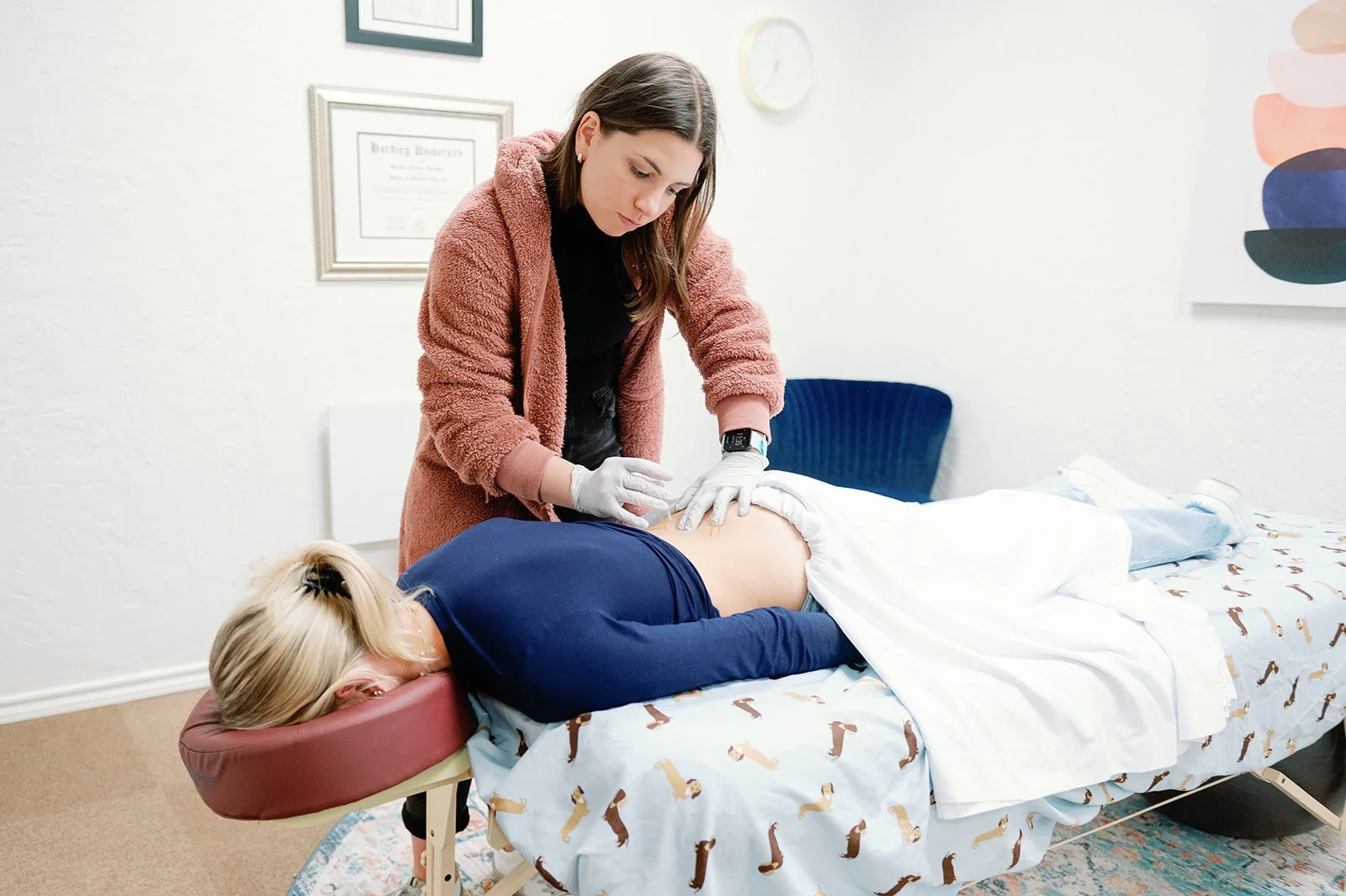
We have offices in Canton, Sulphur Springs, and Rockwall, and every appointment is one on one with a doctor of physical therapy for a full hour.
If you’re ready to schedule an appointment, you can fill out our contact form or call our office at 903-962-2600.
We’d love to help you feel more confident walking into your first appointment and even more confident in your body and get back to living your best life.